






A sustainable choice for digital learning at school
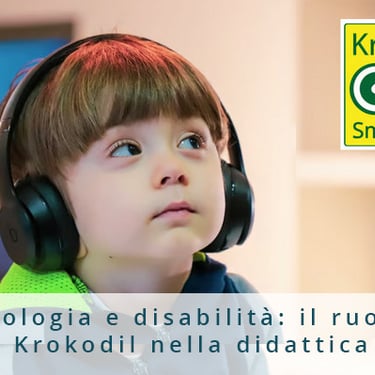
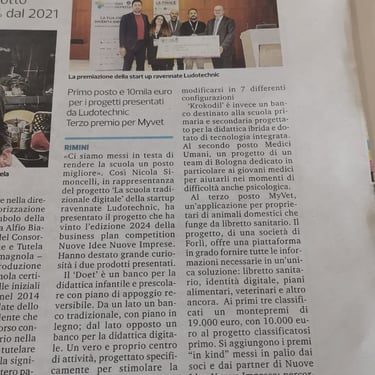
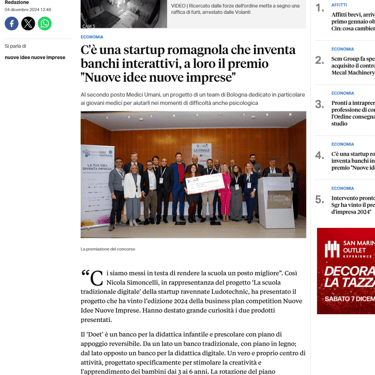
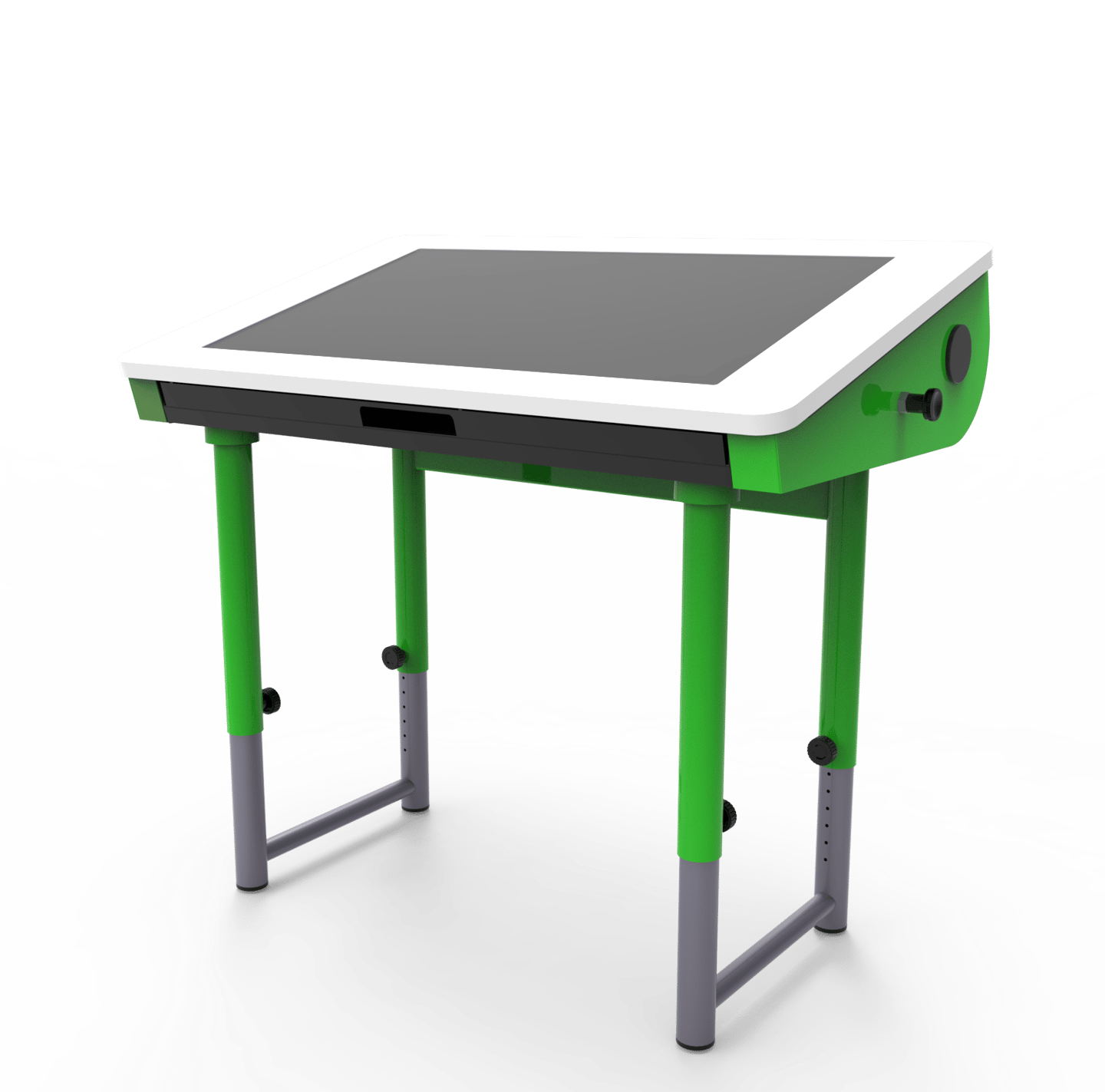
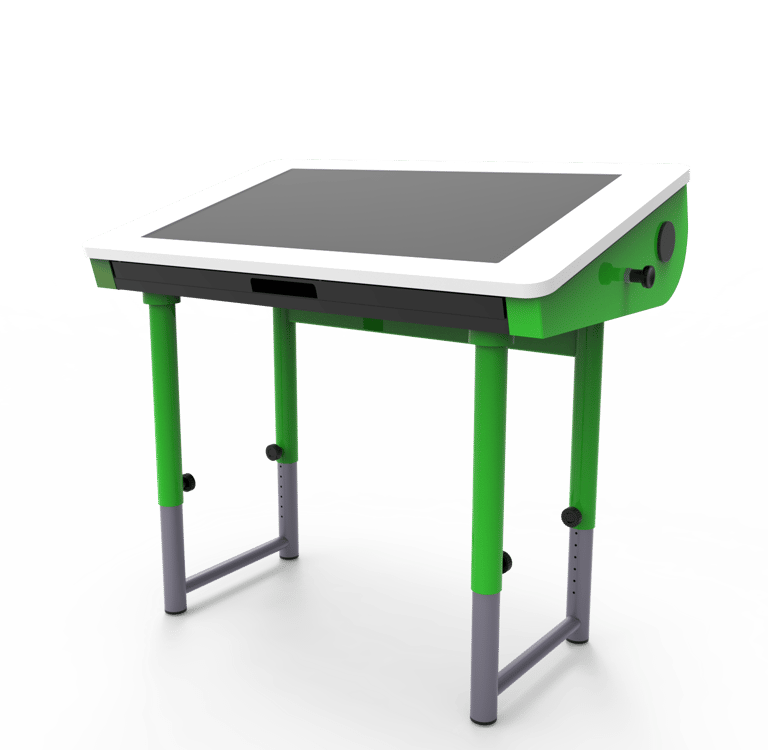
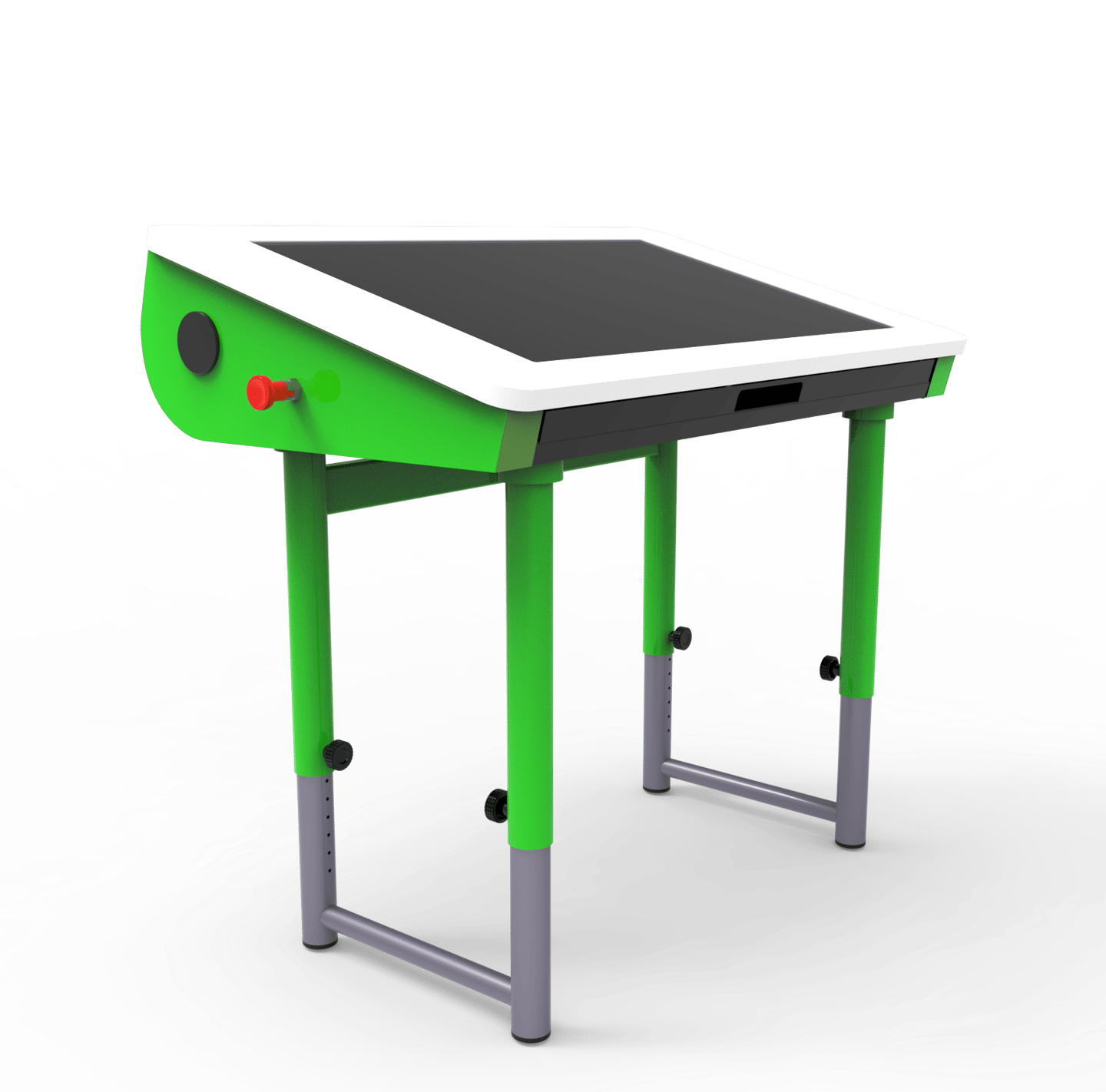
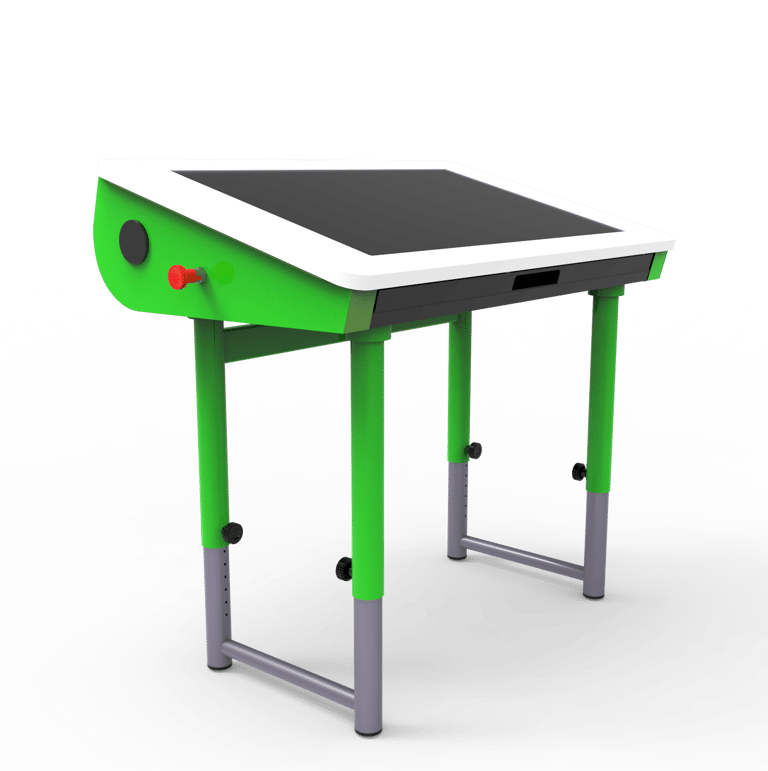
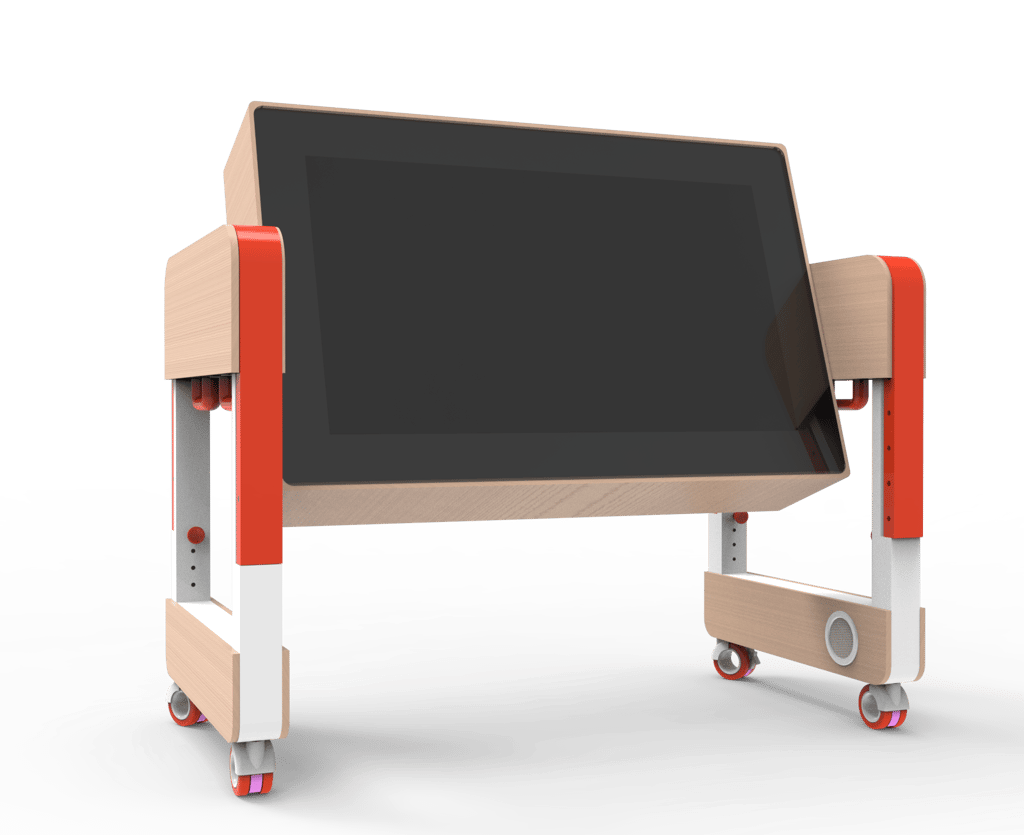
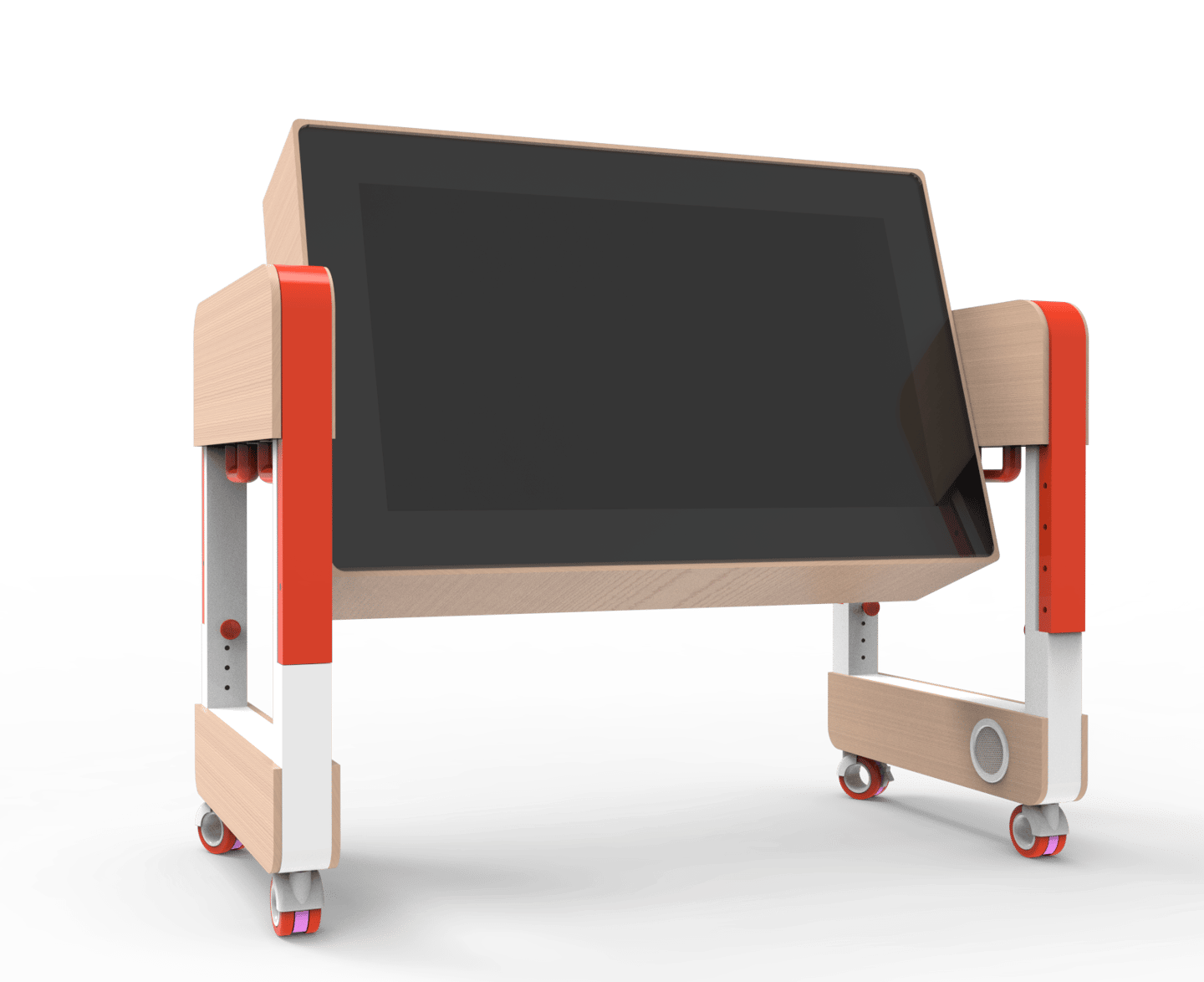
Doet and Krokodil are learning devices designed around ecodesign and modularity. Their load-bearing structure in steel and wood, both recyclable materials, integrates technology components that are meant to be easily replaced and upgraded over time. When a structural or technological part requires it, it can be replaced without changing the entire product. This allows each component to follow a path of reuse or recycling, minimizing waste. This circular approach delivers a longer useful life than the average digital tools used in education and reduces the generation of electronic waste. In this way, Ludotechnic promotes a truly sustainable and circular model, combining industrial-grade robustness and a “zero-maintenance” approach as concrete goals for the school of the future, in line with the objectives of the 2030 Agenda for Sustainable Development endorsed by UN Member States.
What do we mean by “Circular” and “Zero maintenance” at Ludotechnic?
For us, circular design means offering devices made of modular parts and almost entirely recyclable materials. Each component has its own independent lifecycle. This lets us turn maintenance and upgrades into a planned process that renews the product’s functionality, potentially extending its lifespan indefinitely.
With “Zero Maintenance” we refer to a design approach aimed at eliminating interventions caused by wear and tear. For structural parts, we use industrial-grade components built to withstand intensive use while maintaining consistent performance. For technology parts, we select high-durability hardware, intended to be replaced only at true end-of-life or to address technological obsolescence.
For information, you can contact us by writing to:
info@ludotechnic.com